- By: SEO SEO
- Category: Uncategorized
- 0 comment
Natural stone pebbles are one of the quiet workhorses of the built environment. Small, textured, and versatile, pebbles have multiple uses. They are used in garden paths, water features, terrazzo and decorative walls. Despite their size, they are durable, easy to maintain, and more sustainable than heavily processed materials.
Read on to find out about pebble stone construction, explore pricing trends, and understand key supply-chain considerations for architects, specifiers, and procurement teams.
Uses of Pebble Stones
Pebbles are used in three broad domains:
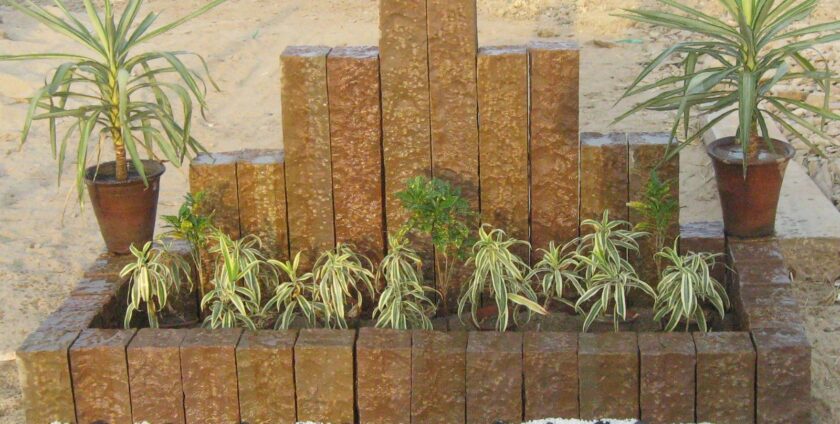
- Landscape and Exterior: Pebbles are ubiquitous in landscaping for walkways, planting beds, roof gardens, and borders, adding a natural look while helping with drainage.
- Interior Finishes: Pebbles are widely employed for tactile interior effects like pebble mosaics for shower floors, pebble inlays within terrazzo, decorative planter beds in lobbies, and even accent walls. When set and sealed properly, pebble floors are slip-resistant and visually appealing.
- Civil and Engineered Uses: Crushed pebbles and cobbles are used as aggregate in decorative concrete, as filter media in drainage systems, and as cost-effective infill for gabions and retaining structures.
Across these applications, designers choose the size, color, and finish (polished, tumbled, natural) to match the function and aesthetic.
Pricing Trends
- Market context and range: The cost of pebble stone varies significantly based on type, grade, finish, and quantity. Domestic bulk rates for natural stone pebbles often vary widely by supplier and stone type.
- Bulk and wholesale pricing: Lower-grade or mixed river pebbles for landscaping may be available at lower prices, with some pebble stone suppliers offering loose natural pebbles by the kilogram.
- Retail and speciality pricing: Polished/decorative pebbles, along with colored or premium finishes, command higher prices depending on quality and processing.
Factors Influencing Pebble Stone Price in India
Pebble stone price in India is broadly influenced by the following factors:
- Material quality and finish
- Size and grading
- Processing complexity
- Logistics and packaging
For large-scale projects, compare delivery terms and check if polishing or tumbling is included in the price. Pebbles are heavy, so freight and handling costs are also considered as part of the cost of pebble stone.
Supply Overview
Understanding where pebble stones are sourced from and how they are processed is important for ensuring consistency, quality, and responsible procurement.
- Primary sources: Pebbles generally come from riverbeds, coastal deposits, or quarried marble and quartzite that are processed to pebble size. Major producing regions for export include parts of India, China, Turkey, and Spain.
- Processing and grading: Suppliers sort pebbles by size, color, and finish. Tumbled pebbles are rounded and smoother, while split or chipped pebbles are rougher and less slippery.
- Sustainability and compliance: Responsible sourcing is becoming more important. Suppliers who follow sustainable practices are increasingly being preferred. For international projects, export documents, material test reports, and details on environmental practices are being sought.
By sourcing from established regions and working with reputed pebble stone suppliers that follow controlled processing and responsible practices, project teams can secure pebble stone supplies that meet both performance standards and sustainability expectations.
Natural Stone Pebbles From Arvicon
Natural pebble stone remains a practical material when texture, durability, and visuals are a priority. For architects and project teams, success lies in clear specification, consistent grading, reliable supply, and an understanding of how pebbles perform across different applications.
Within this landscape, Arvicon stands out as one of the leading producers and direct suppliers of pebble stones in India. Arvicon offers an extensive range with various shapes, colors, and finishes suited for landscaping, architectural detailing, interiors, and exterior applications. Our collections, including mint white, red, and black pebble stones, are designed to support aesthetic flexibility in large-scale project requirements.
Explore our wide spectrum of pebble stone offerings today.
FAQs
1. Are natural stone pebbles suitable for both interior and exterior applications?
Yes, natural stone pebbles can be used indoors and outdoors when properly selected, installed, and sealed.
2. Are natural stone pebbles durable for long-term construction use?
Yes, with correct installation they are naturally durable and perform well over time, requiring minimal maintenance.
3. What should buyers consider when sourcing pebbles for large projects?
Buyers should evaluate grading consistency, finish quality, supply capacity, delivery timelines, and pricing terms.
4. Why choose Arvicon as a supplier of natural stone pebbles?
Arvicon offers a wide range of quality pebble stones marked by consistent grading and multiple finishes, while ensuring reliable supply for large projects.