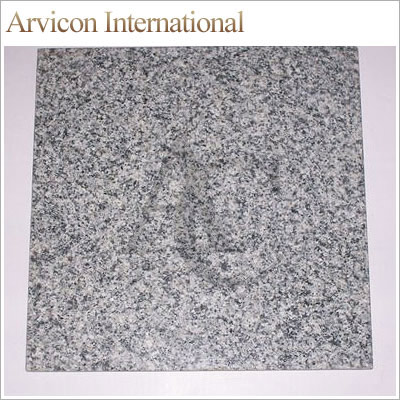
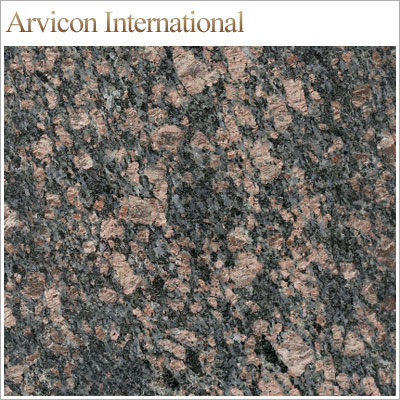
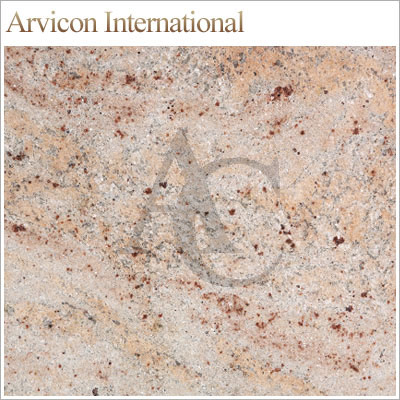
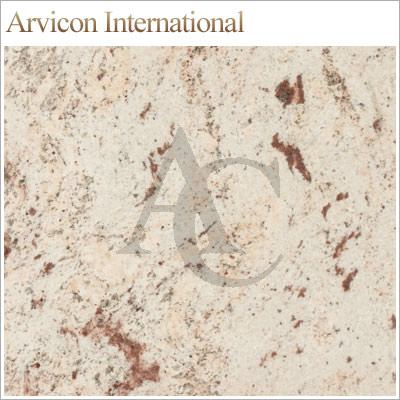
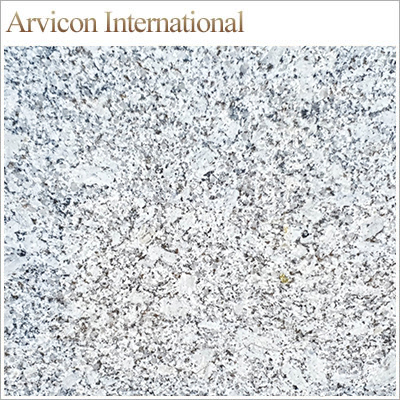
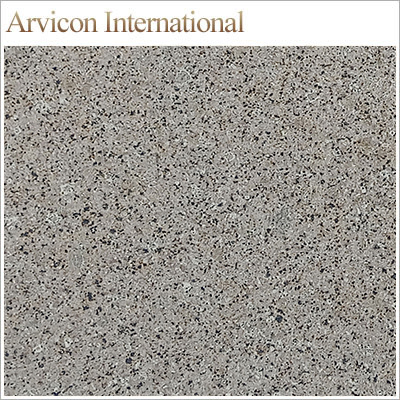
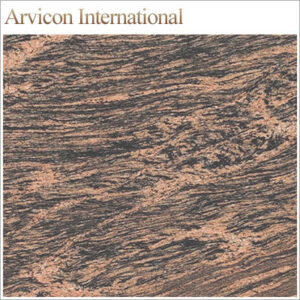
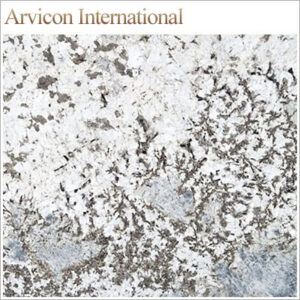
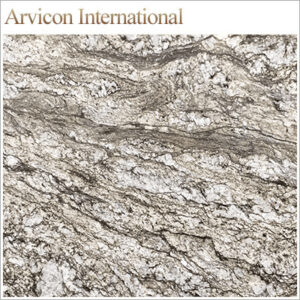
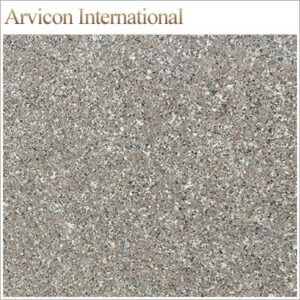
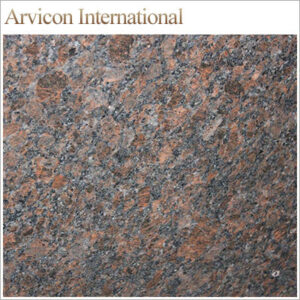
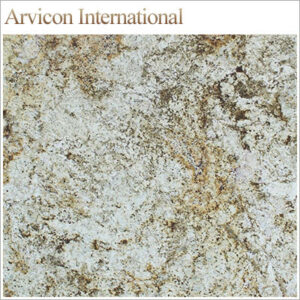
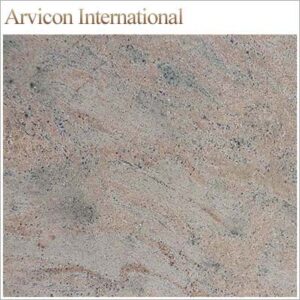
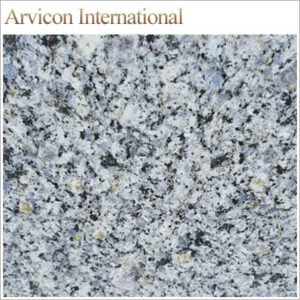
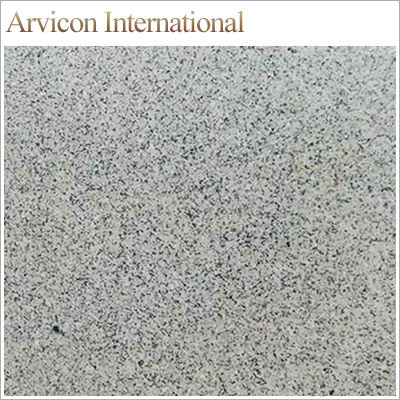
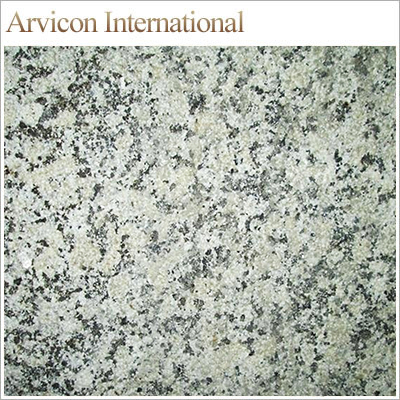
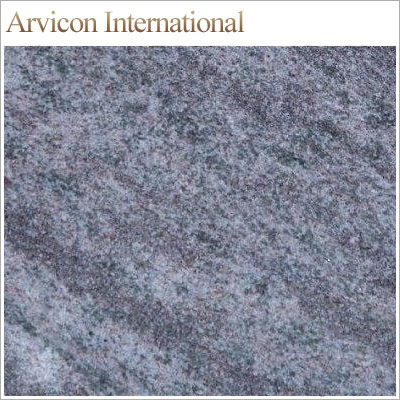
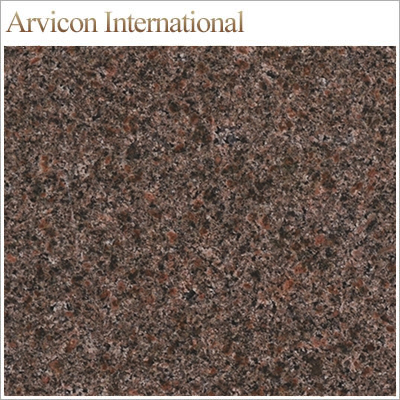
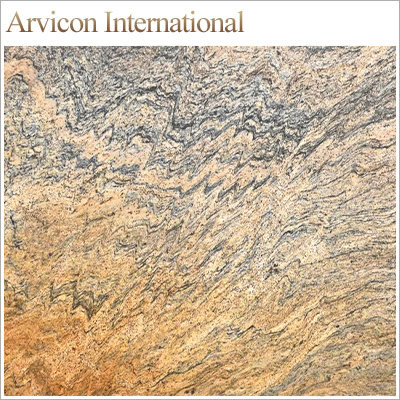
This versatile rock has been intruded into the crust of our planet during all geologic periods, though much of it is of Precambrian age. Granite is an igneous rock which is formed from magma and is currently found only on Earth where it forms a major part of continental crust. Granitic magma has many potential origins but it must intrude other rocks. Most granite intrusions are located deep within the crust, which is usually more than 1.5 kilometers and up to 50 km depth within thick continental crust. Small embankments of granitic composition known as aplites are often affiliated with the margins of granitic intrusions. The origin of granite is contentious and has led to varied schemes of classification. Classification schemes are regional and include French, British, and American systems.
Granite is a ubiquitous component of the crust that has crystallized from magma and has compositions at or near a eutectic point. Magmas evolve to the eutectic owing to the igneous differentiation, or because it represents low degrees of partial melting. Fractional or partial crystallization serves to reduce a melt in iron, titanium, magnesium, sodium and calcium. They also enrich the melt in silicon and potassium, which is and alkali feldspar (rich in potassium) and quartz (SiO2), are the two of the defining constituents of granite.
This process functions is indifferent to the origin of the parental magma and its chemistry. However, the composition of the magma which is different in the final product- granite leaves certain geochemical and mineral evidence as granite's parental rock. The absolute mineralogy, texture and chemical composition of the granite is often unique as its origin. For example, a granite that has been formed from melted sediments may have a larger portion of alkali feldspar, whereas a granite, which has been derived from melted basalt may be richer in plagioclase feldspar.
| Granite rocks are igneous rocks, formed by slowly cooling pockets of magma that were trapped beneath the earth's surface. Physically, commercial granites are hard, compact rocks with fine to coarse grains of metamorphic or igneous origin. In terms of properties granite is a unique material. The properties lending uniqueness to granite are: | ||
| Hardness | - | 6 to 7 on Moh's Scale |
| Density | - | 2.6 to 2.8 Kg/cm3 |
| Compressive Strength | - | 140 to 210 N/mm2 |
| Modulus of Rupture | - | 15 to 25 N/mm2 |
| Water Absorption | - | 0.1-0.6% |
| Average Wear | - | Less then 1% |
Porosity/permeability
This hard rock has almost negligible porosity ranging between 0.2 to 4%.
Thermal Stability
Granite is highly thermal stability and is impervious to weathering from temperature. Even air borne chemicals have no effect on it. It is highly resistant to chemical erosion making granite useful for making tanks to store highly caustic material.
Co-efficient of expansion
The co-efficient of expansion for granite varies from 4.7x10⁻⁶ – 9.0x10⁻⁶(inch x inch).
Variegation
Granite has high consistency in color and texture.
Hardness
Hardness of granite lends it excellent wear, making it excellent building stone.
| The chemical composition of granite, by weight percent: | ||
| SiO2 | - | 72.04% (70-75%) |
| Al2O3 | - | 14.42% (10-15%) |
| K2O | - | 4.12% (4-6%) |
| Na2O | - | 3.69% |
| CaO | - | 1.82% (0.5 - 2%) |
| FeO | - | 1.68% (1.5 - 3%) |
| Fe2O3 | - | 1.22% (1 - 2%) |
| MgO | - | 0.71% (0.5 - 2%) |
| TiO2 | - | 0.30% (0.2-0.5%) |
| P2O5 | - | 0.12% |
| MnO | - | 0.05% |
Granite is a common name for all Igneous and Metamorphic Rocks commercially, but geologically “Granite” is a term only for acidic, plutonic Igneous Rock. They can be classified based on Geological and Commercial Value, broadly into three groups.
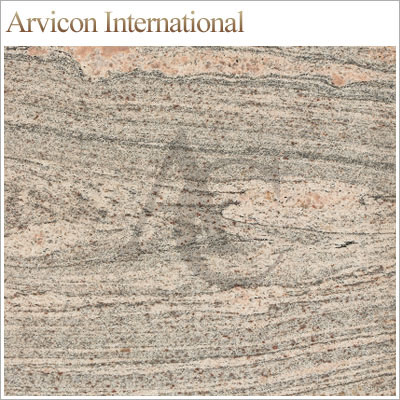
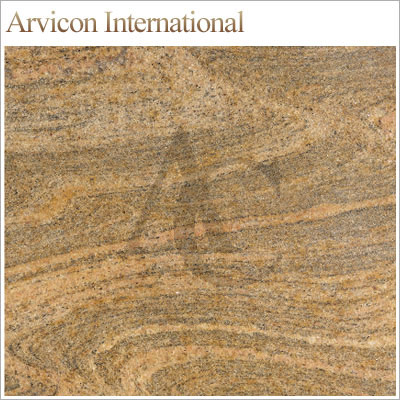
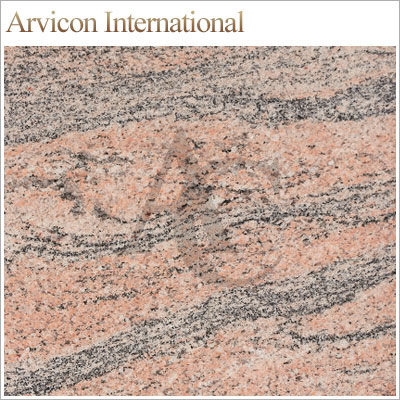
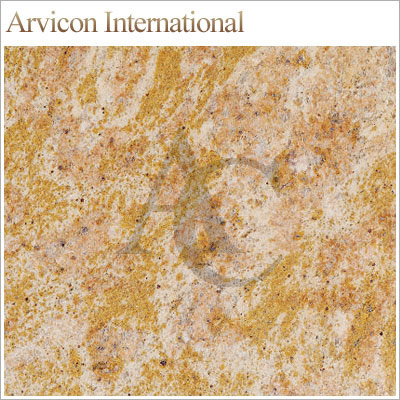
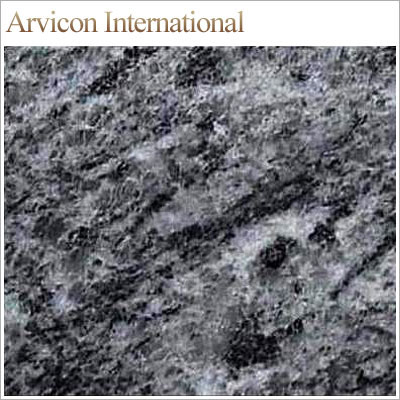
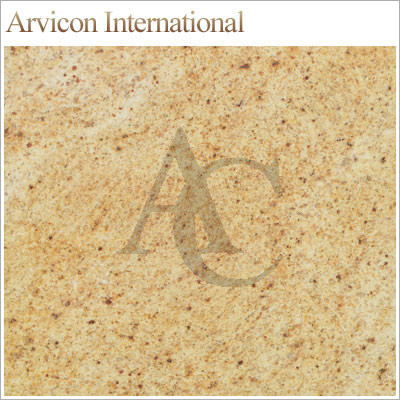
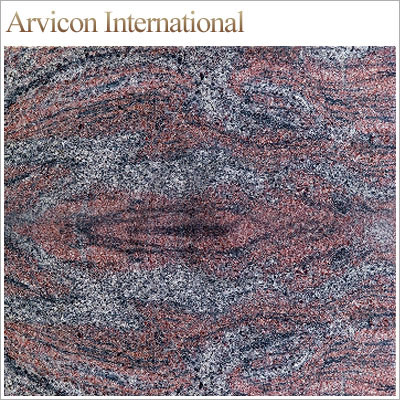
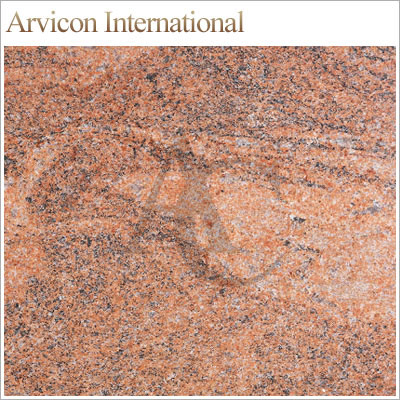
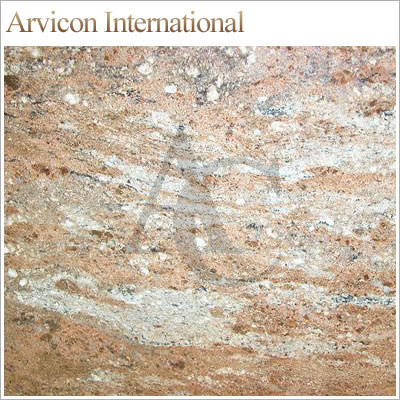
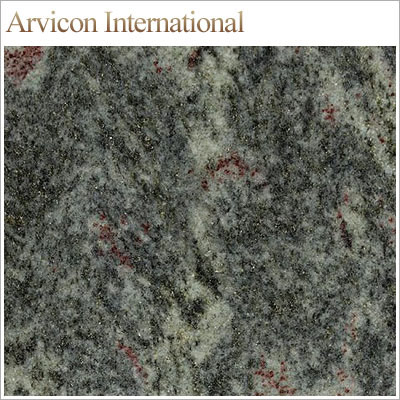
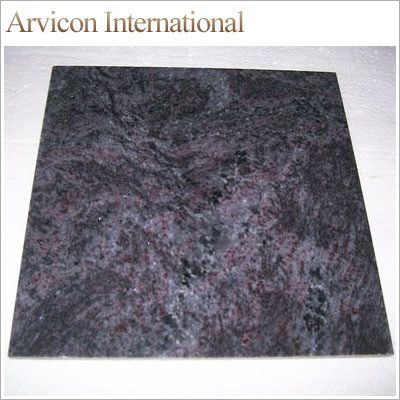
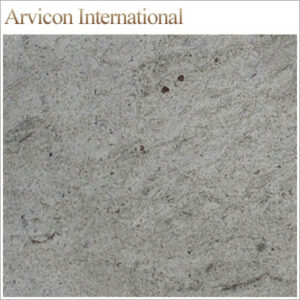
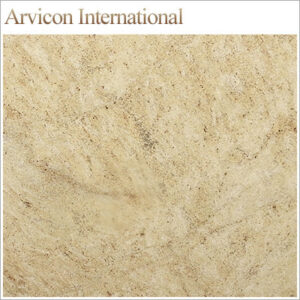
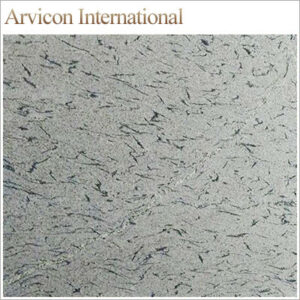
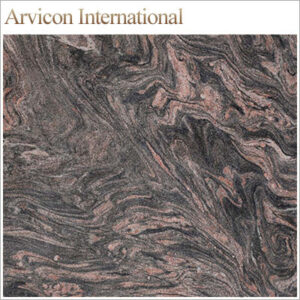
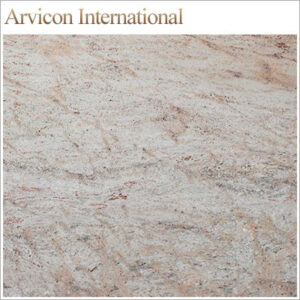
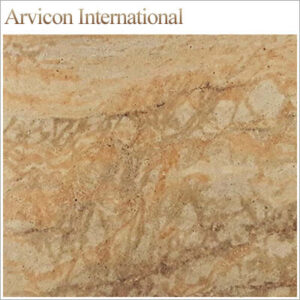
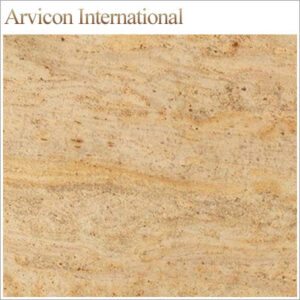
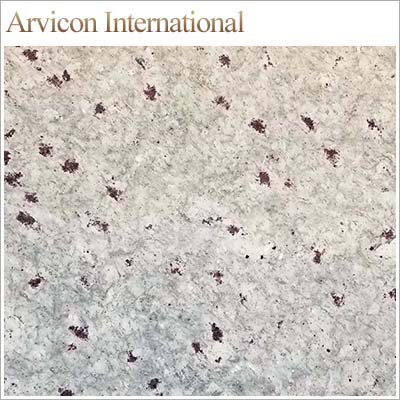
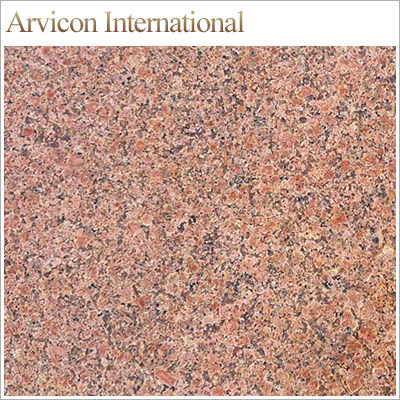
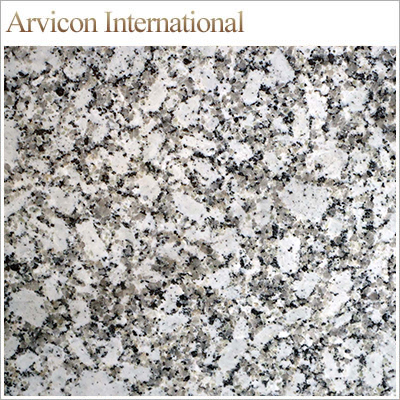
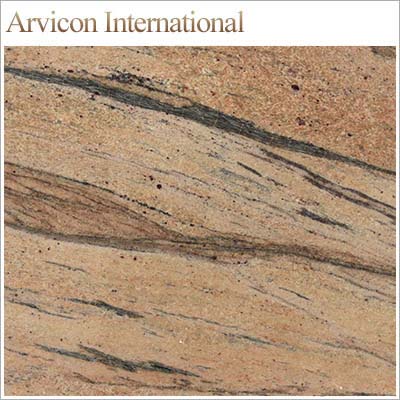
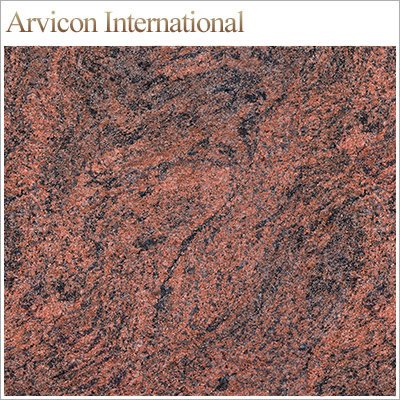
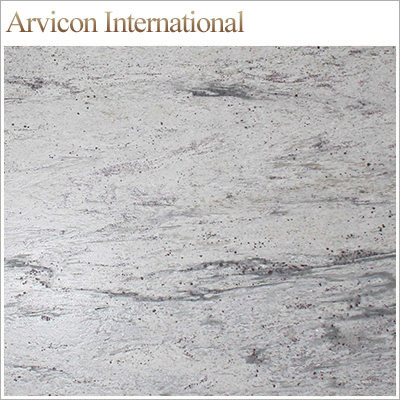
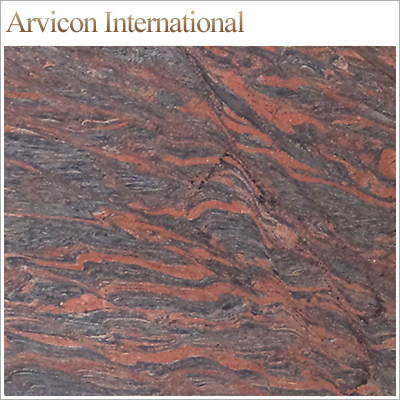
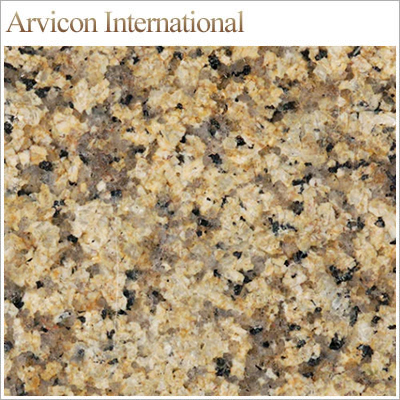
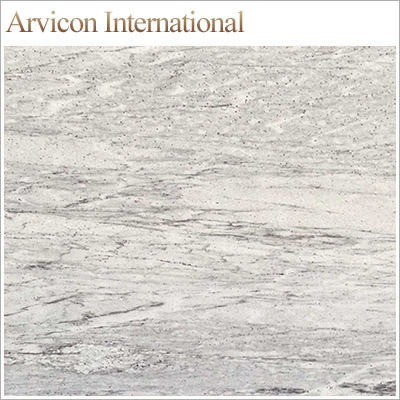
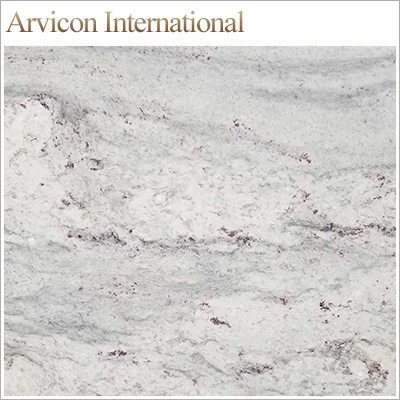
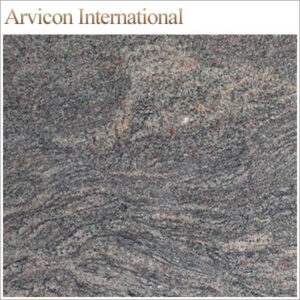
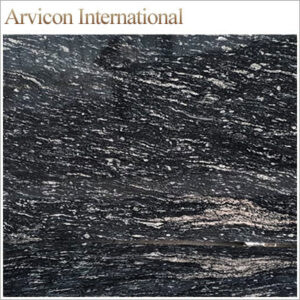
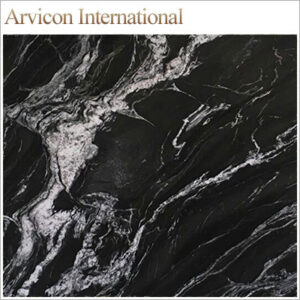
Genesis - A medium/fine-grained rock of Gneissic structure is available in various colors. Plagioclase, microcline and quartz are the vital minerals, while titanite, biotite, apatite, epidote, zircon and garnet are found in lesser quantities. Small amount of hematite, pyroxene and sericite are also present in this rock, which is of a granitic composition, contains numerous crystallites. Gneisses can be recognized by the wavy patterns or zig zag movements. Others in this category are Paradiso, Kashmir White, Red Multi Color, Madura Gold, Colombo Juprana, Imperial White, Shivakashi Gold, Kuppam Green, Vizag Blue, Lavender Blue, Tropical Green etc.
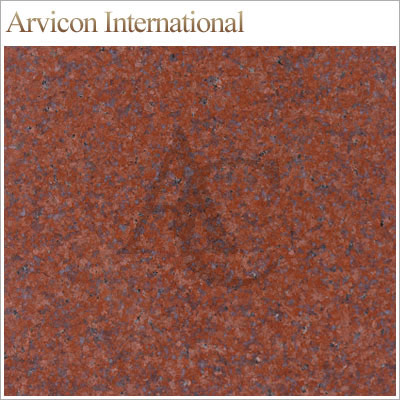
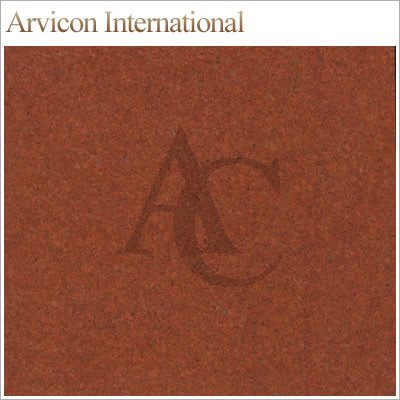
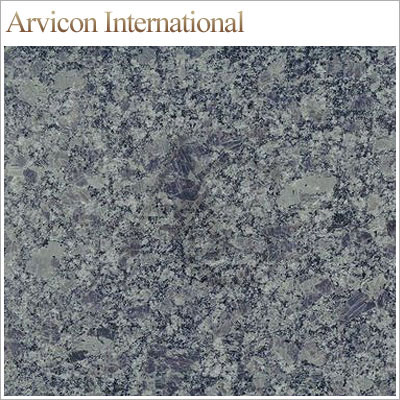
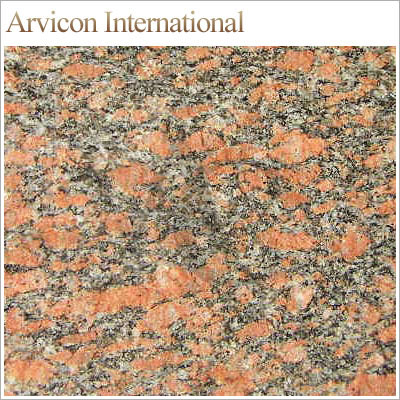
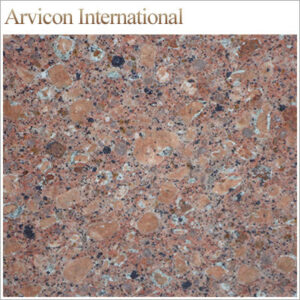
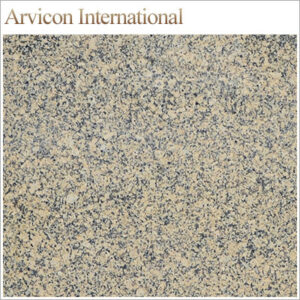
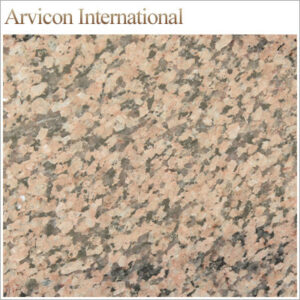
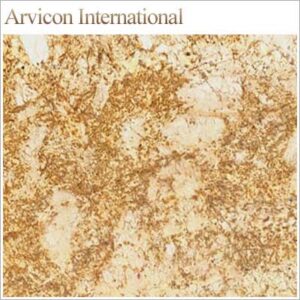
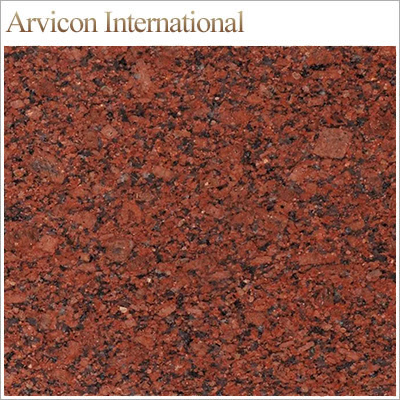
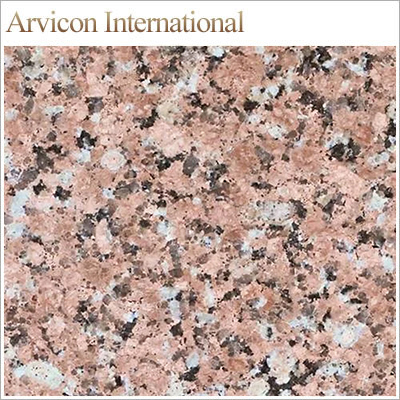
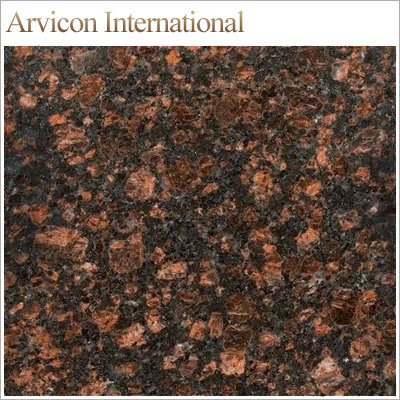
Porphyry- Some individual crystals known as phenocrysts are bigger than the ground mass, in such cases the texture is known as porphyritic and the granite is called as porphyry. Porphyries are granites which have dominant Feldspar Crystal or Flowers. Tan Brown, Sapphire Blue, Crystal Yellow, Steel Grey, Ruby Red, Cats eye belong to this class.
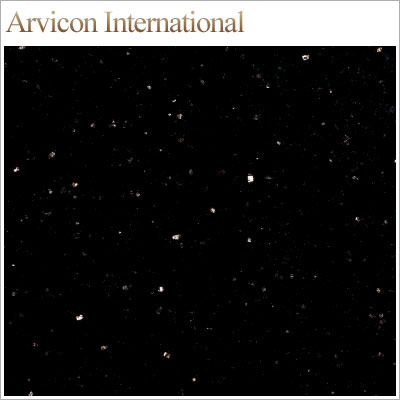
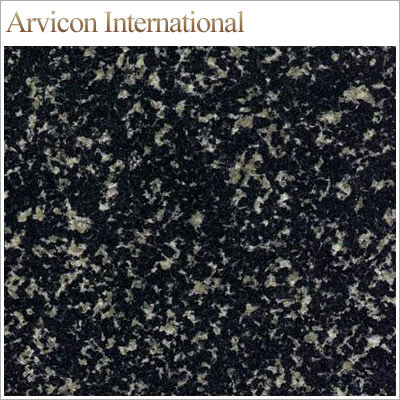
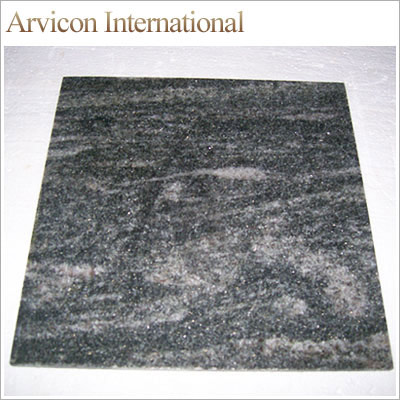
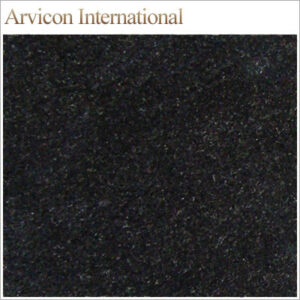
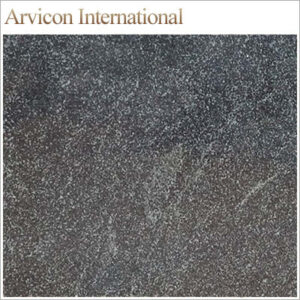
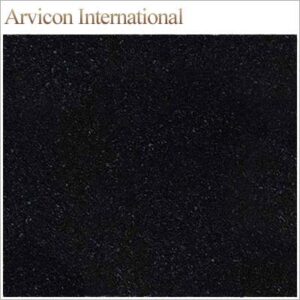
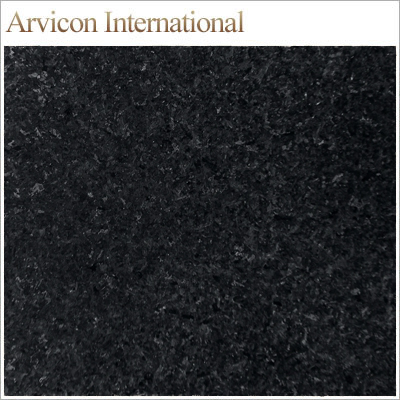
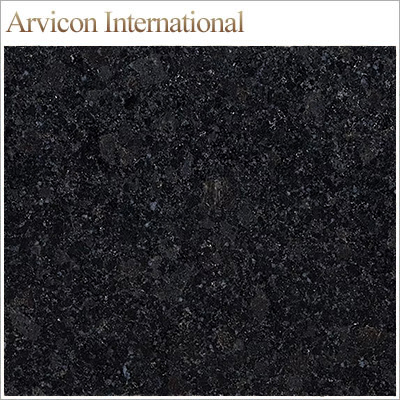
Dyke- Dykes are the Black Granites, which commonly occurs as Dolerite Dykes. The Black Granites which form a Ring Dyke is a classic example of the Dyke. Other Black Granites or Dykes include Absolute Black in Warangal, Chamrajnagar and other places.
Granite is classified on the basis of the QAPF diagram for coarse grained plutonic rocks (granitoids). They are named according to the percentage of quartz, alkali feldspar (orthoclase, sanidine, or microcline) and plagioclase feldspar on the A-Q-P half of the diagram. A pure granite according to modern petrologic convention consists of both plagioclase and alkali feldspars. When a granite is devoid or nearly bereft of plagioclase, it is referred to as alkali granite. When a granitoid contains <10% of orthoclase it is called tonalite; pyroxene and amphibole are common in tonalite. A granite which contains both muscovite and biotite micas is known as binary or two-mica granite. These granites typically have high quantities of potassium and are low in plagioclase. They are usually S or A-type granites. The volcanic equivalent of plutonic granite is rhyolite. Granite has poor primary permeability but strong secondary permeability.
1. Is granite from Arvicon a cost-effective material for long-term commercial projects?
Granite offers strong long-term return on investment due to its durability, minimal maintenance needs, and resistance to wear in high-traffic environments. When sourced from an established granite supplier like Arvicon, project teams benefit from consistent quality, efficient processing, and reliable supply, making granite a practical and cost-effective choice for commercial and institutional developments.
2. Which quality of granite supplied by Arvicon is best for architectural and structural use?
Granite suitable for architectural and structural applications is defined by high density, uniform grain structure, and minimal fissures. Indian granite supplied by Arvicon is widely preferred for its robust strength, diverse color range, and finish consistency, making it ideal for high-traffic flooring, wall cladding, and façade applications in large-scale projects.
3. Who are the leading granite exporters in India, and how does Arvicon stand out?
India is home to several globally recognized granite exporters supported by advanced manufacturing infrastructure. Among established granite exporters in India, Arvicon stands out for its integrated production capabilities, strict quality control standards, and ability to meet international project specifications - making it a trusted partner for architects, developers, and global stone buyers.
4. How can project teams inspect granite quality before specification with Arvicon?
Granite quality assessment should focus on material density, surface uniformity, finish consistency, and thickness calibration. As a reliable granite exporter, Arvicon supports project teams by providing detailed product data, samples, and technical clarity, allowing architects and procurement professionals to confidently evaluate suitability before final specification.
5. How can buyers request bulk granite pricing from Arvicon for commercial or spiritual projects?
For bulk granite requirements, buyers should clearly define project scope, quantities, finishes, and delivery timelines. As one of the established granite suppliers in India, Arvicon supports commercial, institutional, and spiritual projects with competitive bulk pricing, customized processing, and coordinated supply planning—ensuring cost efficiency and timely execution without compromising quality.
6. What should buyers evaluate when choosing among granite companies in India like Arvicon?
When selecting granite companies in India, buyers should assess manufacturing capacity, quality assurance processes, export experience, and finish consistency. Companies such as Arvicon combine modern processing facilities with international supply expertise, enabling buyers to execute complex commercial and architectural projects with confidence and reliability.